Website Design
Brand-aligned, conversion-first design systems for marketing sites. Includes UI kit, page templates and a content model your team can extend.
Design & Development
SeoMata combines product design, modern engineering and search-first IA into a single delivery system. We design pages that rank, build sites that convert and instrument the systems that let your marketing team grow without re-platforming every 18 months.
300+
Sites shipped
across SMB and mid-market
47%
Median conv. lift
after redesign + SEO
12 wk
Avg. ship time
design → launch
<2.5s
LCP target
Core Web Vitals green
For most service businesses, "the website" is the largest single piece of marketing infrastructure they own — and the one most often built without thinking about SEO, lead capture or scale.
SeoMata operates design, development and SEO inside one team so that information architecture, page templates, content modules and conversion paths are decided together. This avoids the two most expensive failure modes: a beautiful site that does not rank, and a fast site that does not convert.
Every engagement starts from the same three questions: how will buyers find this site, what do they need to see in the first 8 seconds, and what specific action are we asking them to take next? Design and engineering decisions are made downstream of those answers — not the other way around.
8s
Above-the-fold goal
value prop + trust + CTA
90+
Lighthouse target
perf / SEO / a11y / BP
3
Conversion paths
per service-business site
Catalogue
The hub page maps to twelve specialised services. Most engagements combine two or three — for example a website redesign plus page speed optimisation plus ongoing maintenance.
Brand-aligned, conversion-first design systems for marketing sites. Includes UI kit, page templates and a content model your team can extend.
Modernise an outdated site without losing SEO equity. We preserve URL structure, migrate metadata and rebuild templates around current intent and offer.
Custom front-end and headless implementations on Next.js, WordPress or hybrid stacks. Engineered for editor flexibility and fast iteration.
IA, page templates and on-page schema designed around the keywords and entities you need to own — before a single visual is opened.
Native and cross-platform mobile builds for booking, loyalty and operations apps tied into the same data model as the marketing site.
Block-based WordPress builds with custom blocks, ACF and a lean theme — no page-builder bloat, no plugin sprawl.
Theme customisation, Shopify Plus extensions, headless storefronts and merchandising automation tuned for organic + paid scaling.
Internal tools, member portals, scheduling systems and dashboards — designed, built and maintained by the same team that owns the marketing site.
Core Web Vitals remediation, asset pipeline rebuild, edge caching and render-path cleanup to hit green LCP / INP / CLS on real devices.
Versioned updates, security patching, uptime monitoring, backups and a monthly change log so nothing happens to your site without you knowing.
Mobile-first layouts that look correct from 320 px to ultrawide displays — including landscape phones, foldables and tablets that most teams forget.
Magento 2 / Adobe Commerce theme work, performance fixes and B2B catalog implementations for stores that have outgrown Shopify.
Outcomes
Different agencies optimise for different things. We are explicit about the four outcomes we treat as non-negotiable on every project.
Pages indexed cleanly, internal links resolving, schema validating, sitemaps current, and the page templates themselves designed around the queries you need to win.
Above-the-fold offer, trust block, primary CTA and a fallback CTA on every meaningful page. Forms that ask only what we need to qualify the lead.
LCP under 2.5 s, INP under 200 ms, CLS under 0.1 on a mid-range Android over 4G — not just on a desktop in the office.
Marketing team can ship a new service or city page in a day, not a sprint, using the page templates and content blocks the build ships with.
Process
We removed the parts of a traditional agency process that hide work and add cost without adding clarity. The remaining six stages each have a named owner and a written deliverable.
Stakeholder interviews, keyword + competitor audit, GA4 + GSC review, lead-flow audit. Output: a one-page brief and a prioritised opportunity list.
Sitemap, URL plan, redirect map (for redesigns), page-type catalogue and content model. Reviewed against the keyword map before any design starts.
Brand tokens, components, page templates, mobile and desktop key screens. Delivered in Figma with a public preview link and weekly checkpoint.
Front-end + back-end implementation, content modelling, schema and analytics. Continuous deploy on a staging URL from week one.
Cross-device QA, Lighthouse pass to ≥ 90, axe-core accessibility pass, content QA on every templated page. Bug log is public.
301 cutover, indexing + analytics validation, 30-day stabilisation window with one weekly checkpoint, then handoff or retainer.
Scope
Every engagement ships with the items below as part of the base scope, regardless of which child service the work falls under. Anything beyond this is a separately scoped line item.
Discovery + opportunity brief
One-page strategic brief with prioritised opportunities, target queries, and the offer/CTA map.
Information architecture
Sitemap, URL plan, page-type catalogue and a redirect map for any retiring URLs.
Component design system
Reusable components for hero, service module, FAQ, social proof, comparison table, pricing, contact, footer.
On-page SEO foundation
Titles, meta descriptions, H1/H2 plan, internal-link map, schema (Organization, Service, LocalBusiness, FAQ where relevant).
Core Web Vitals tuning
Image pipeline, font loading, third-party script audit, edge caching and route-level prefetch where appropriate.
Analytics + lead instrumentation
GA4 events for primary + secondary CTAs, call tracking ready, form submission event, optional CRM webhook.
Accessibility pass
Keyboard + screen-reader pass, focus order, contrast ratios, alt-text guidelines for the editor.
Editor training + handoff
60-minute recorded walkthrough, written page-update guide and a 30-day post-launch support window.
Stack
We are platform-agnostic, but we default to a small list of stacks we know well enough to operate at scale.
Default for marketing sites that need editorial velocity, SEO control and edge performance. ISR for templated city/service pages.
Used when editorial team needs deep day-to-day flexibility without engineering involvement. Lean theme, no page-builder.
Liquid + Hydrogen builds for DTC and service-product hybrids. Custom merch logic, subscription, B2B catalogue support.
Default hosting tier. Image optimisation, edge caching, RUM, error monitoring and preview deploys per branch.
Used when content workflow is more important than rendering, or when the same content powers a web + mobile + email channel.
Default analytics stack. Server-side tagging available, plus PostHog when funnel + session-replay is needed for conversion work.
Decision aid
Not every business needs a custom build. The table below is the one we walk new clients through to decide which approach is appropriate for their current stage.
| Off-the-shelf template / page builder | SeoMata custom build | |
|---|---|---|
| Time to first ship | 2–4 weeks | 8–14 weeks |
| Up-front cost | Low | Medium to high |
| Editor speed after launch | Fast for existing blocks; slow for new page types | Fast for both — page templates and components are first-class |
| SEO ceiling | Capped by template assumptions | Unbounded — IA, schema and internal linking are designed for your topic graph |
| Performance | Often poor on real devices (page-builder bloat) | Lighthouse ≥ 90 on launch, monitored post-launch |
| Total 3-year cost | Lower if site stays small | Lower if site grows past ~25 pages or supports more than one offer |
A SeoMata "fast start" track exists for clients who need to ship in 4–6 weeks: we use a constrained component library and ship a smaller surface, then expand on a retainer.
Portfolio
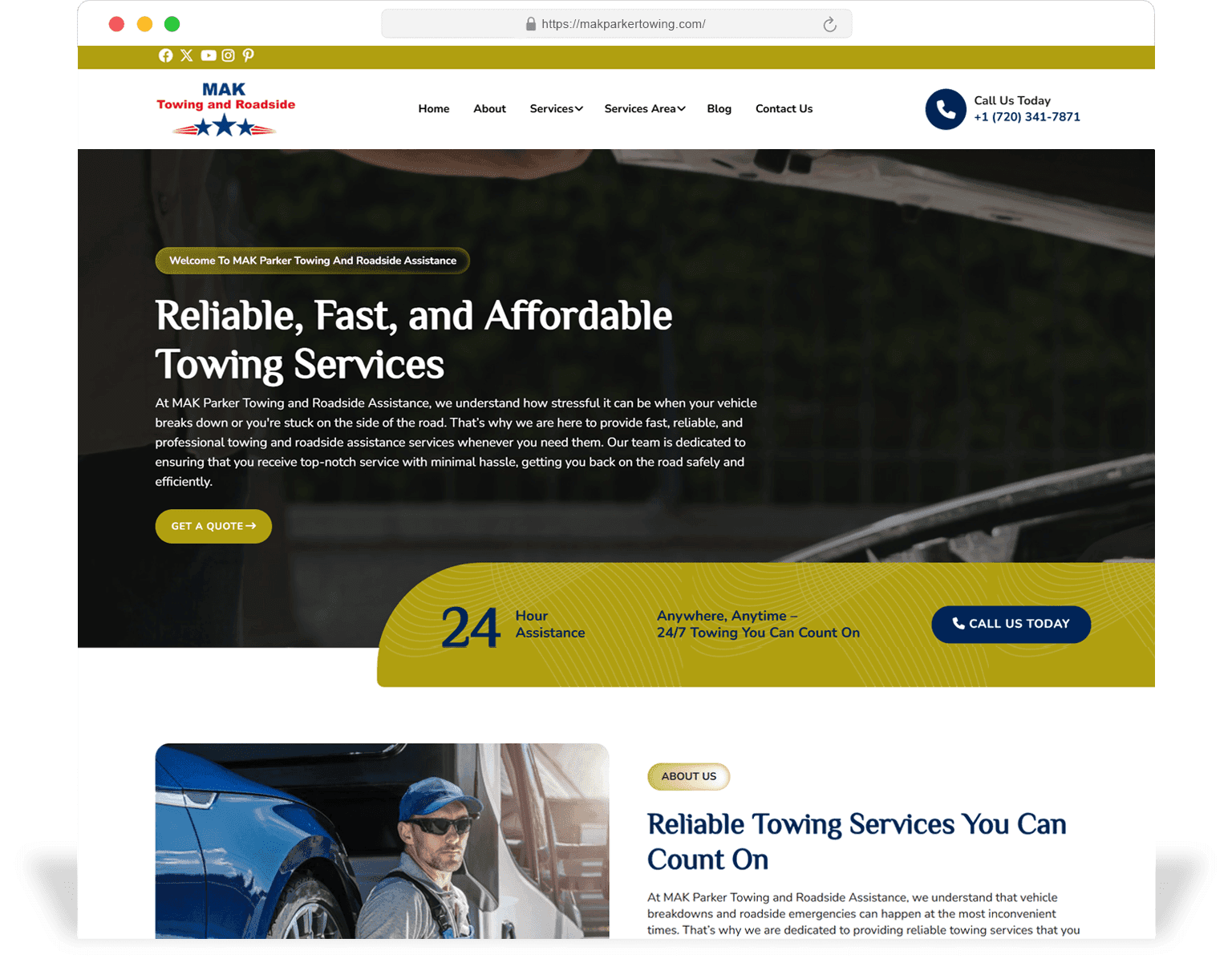
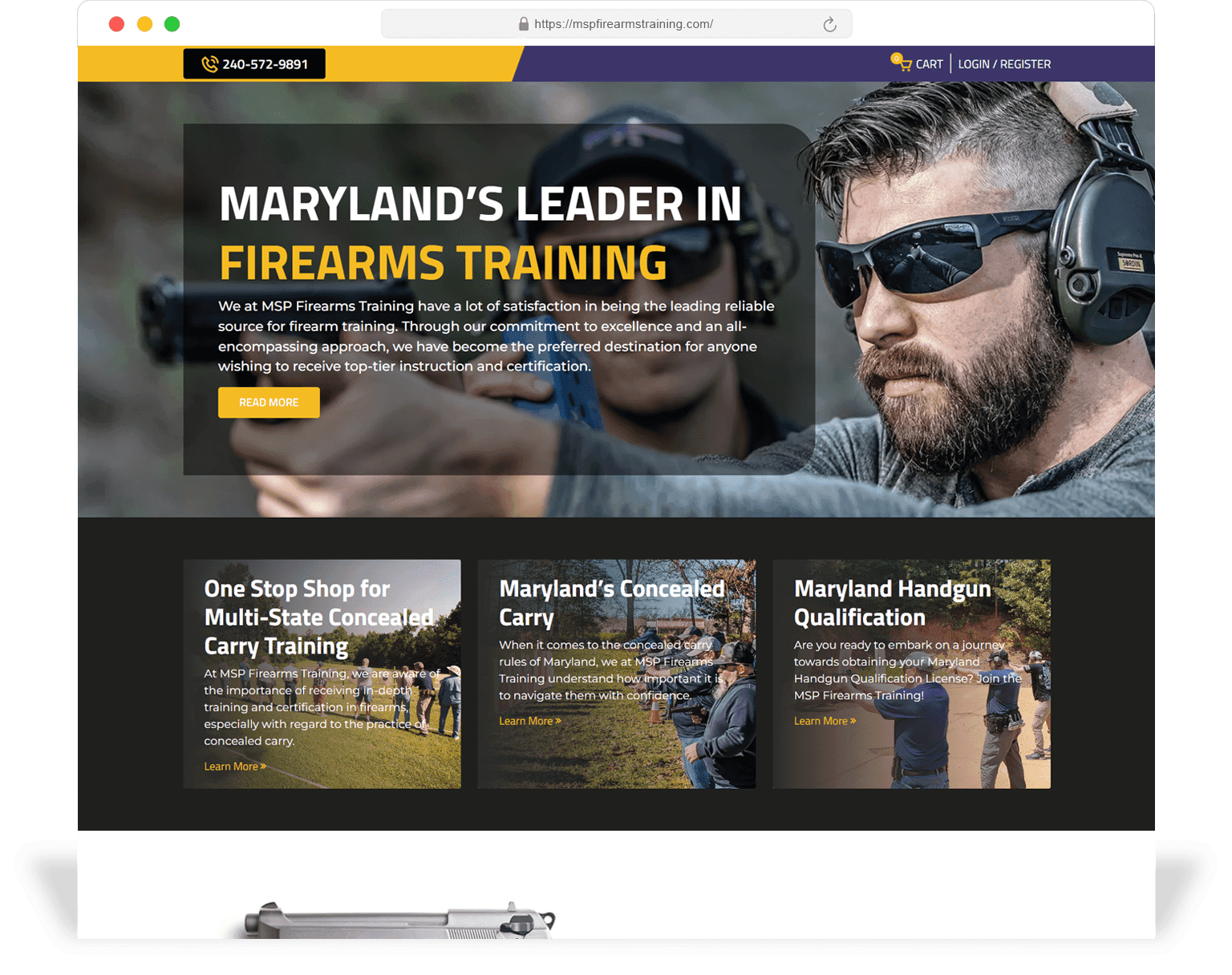
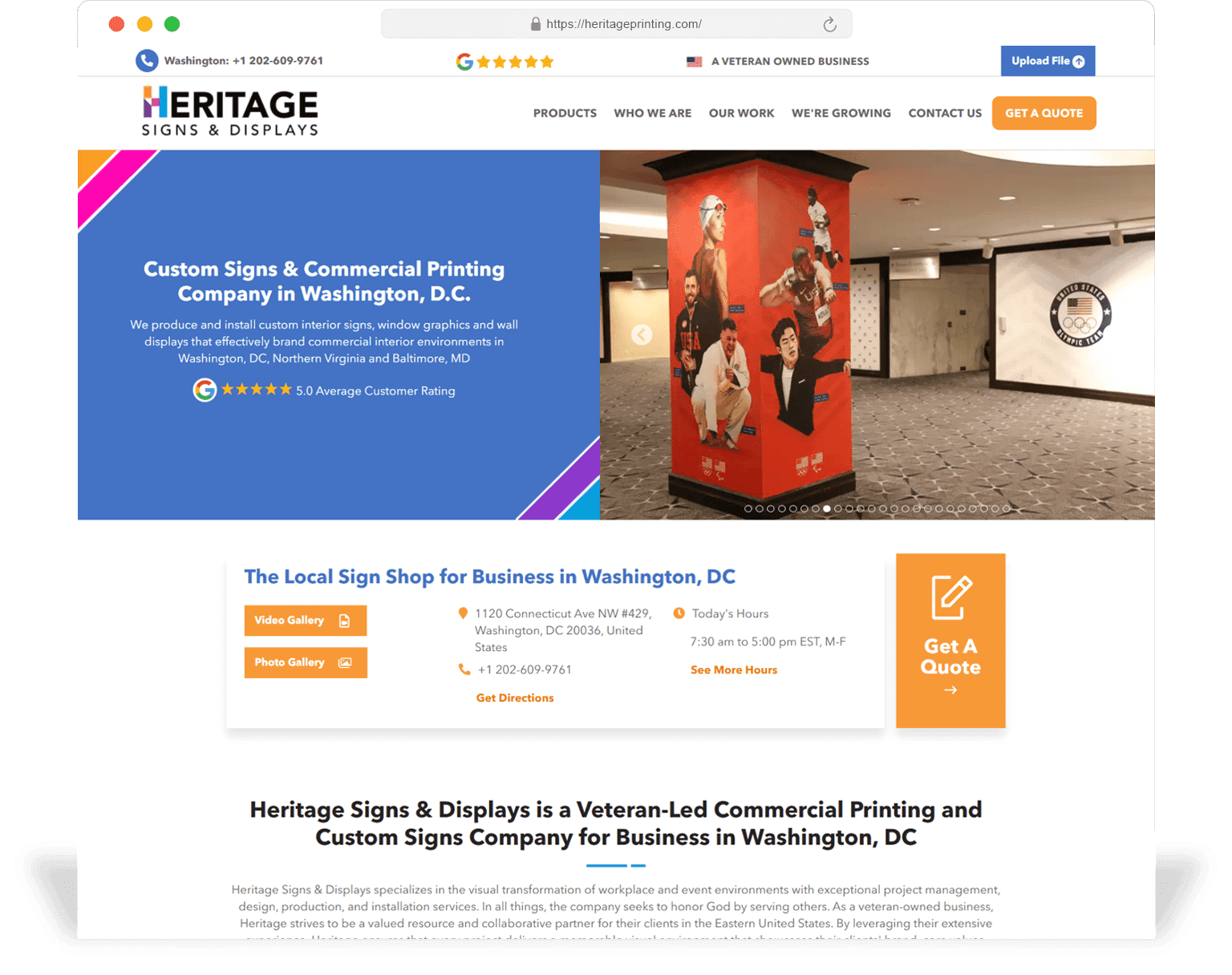
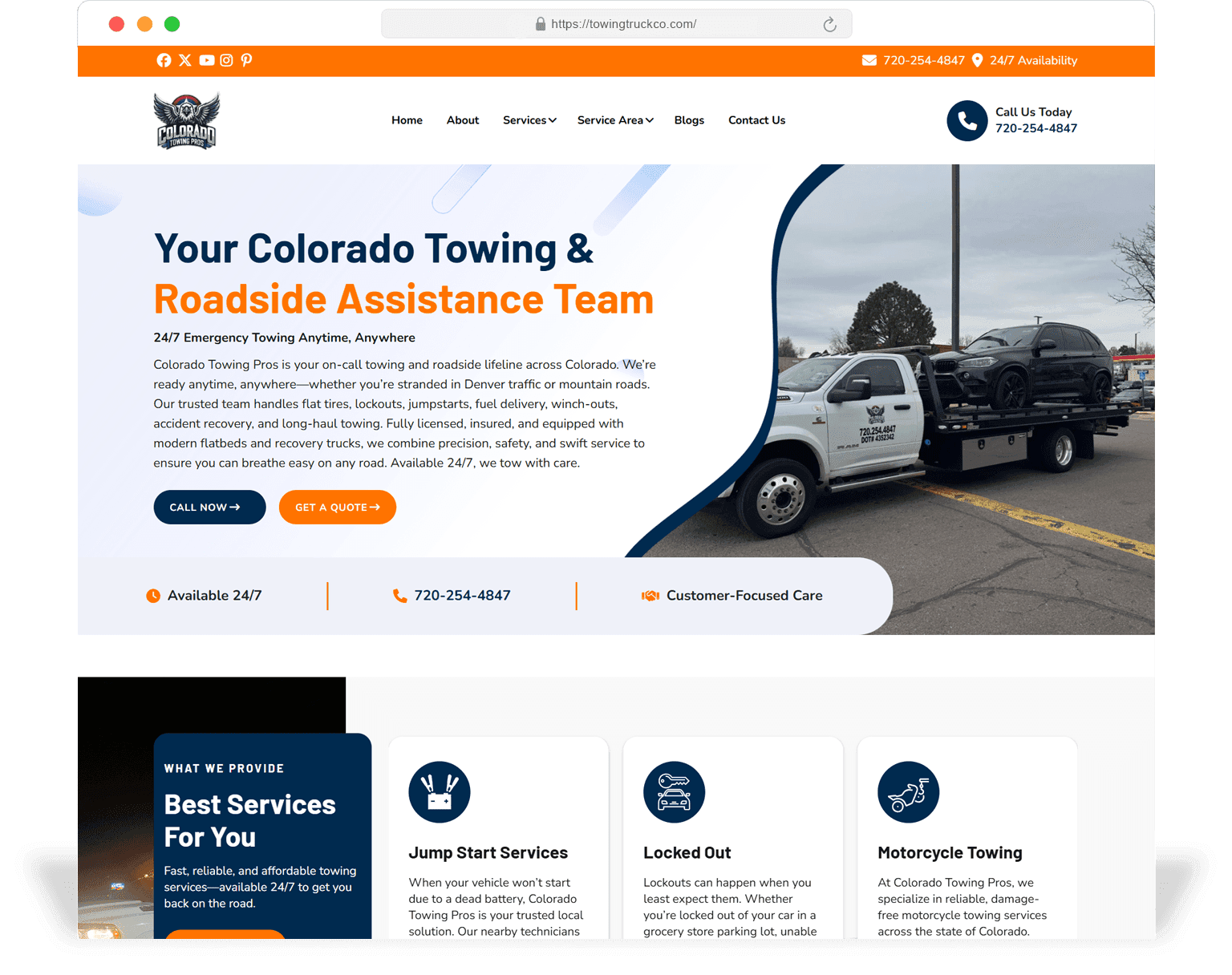
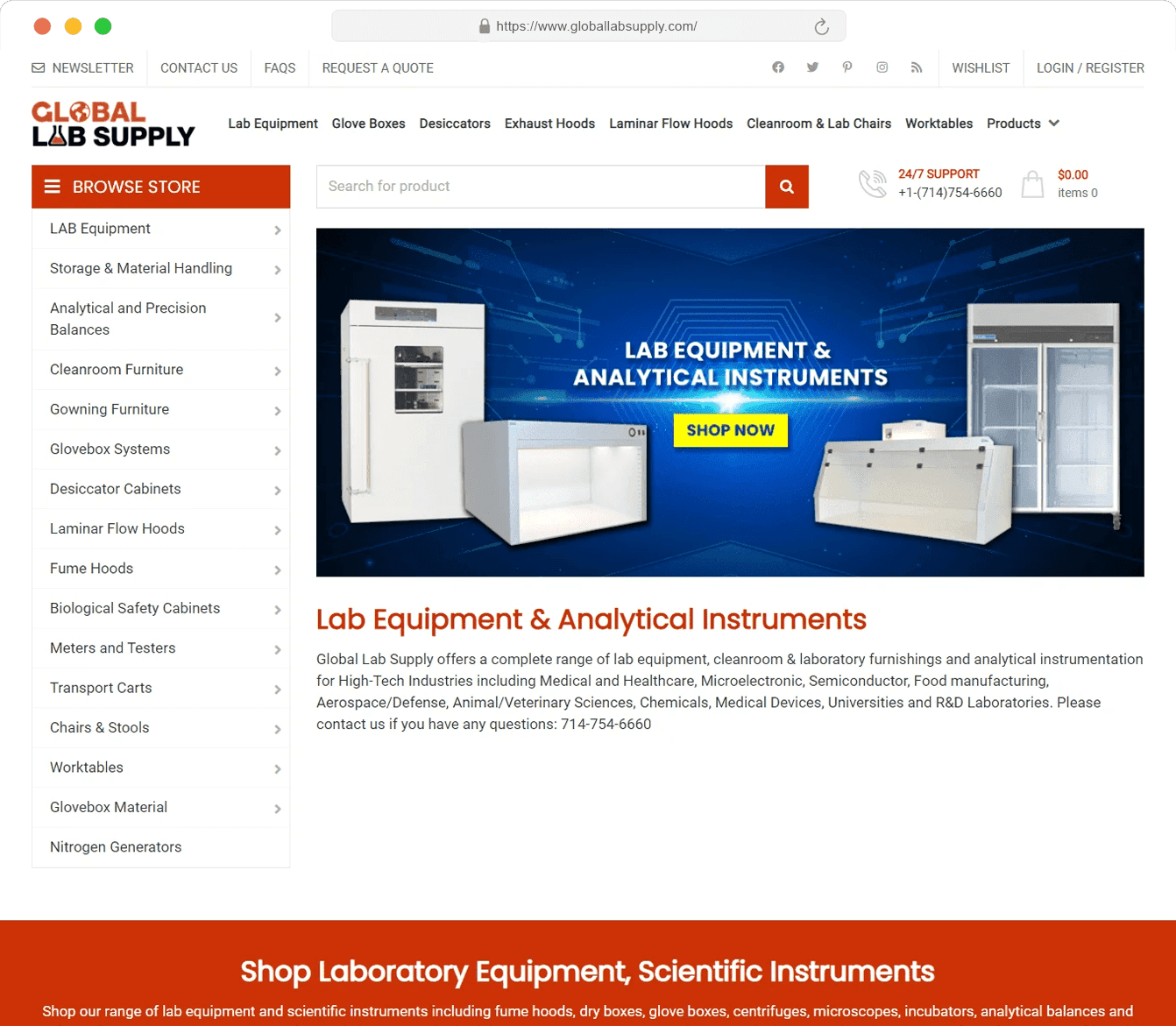
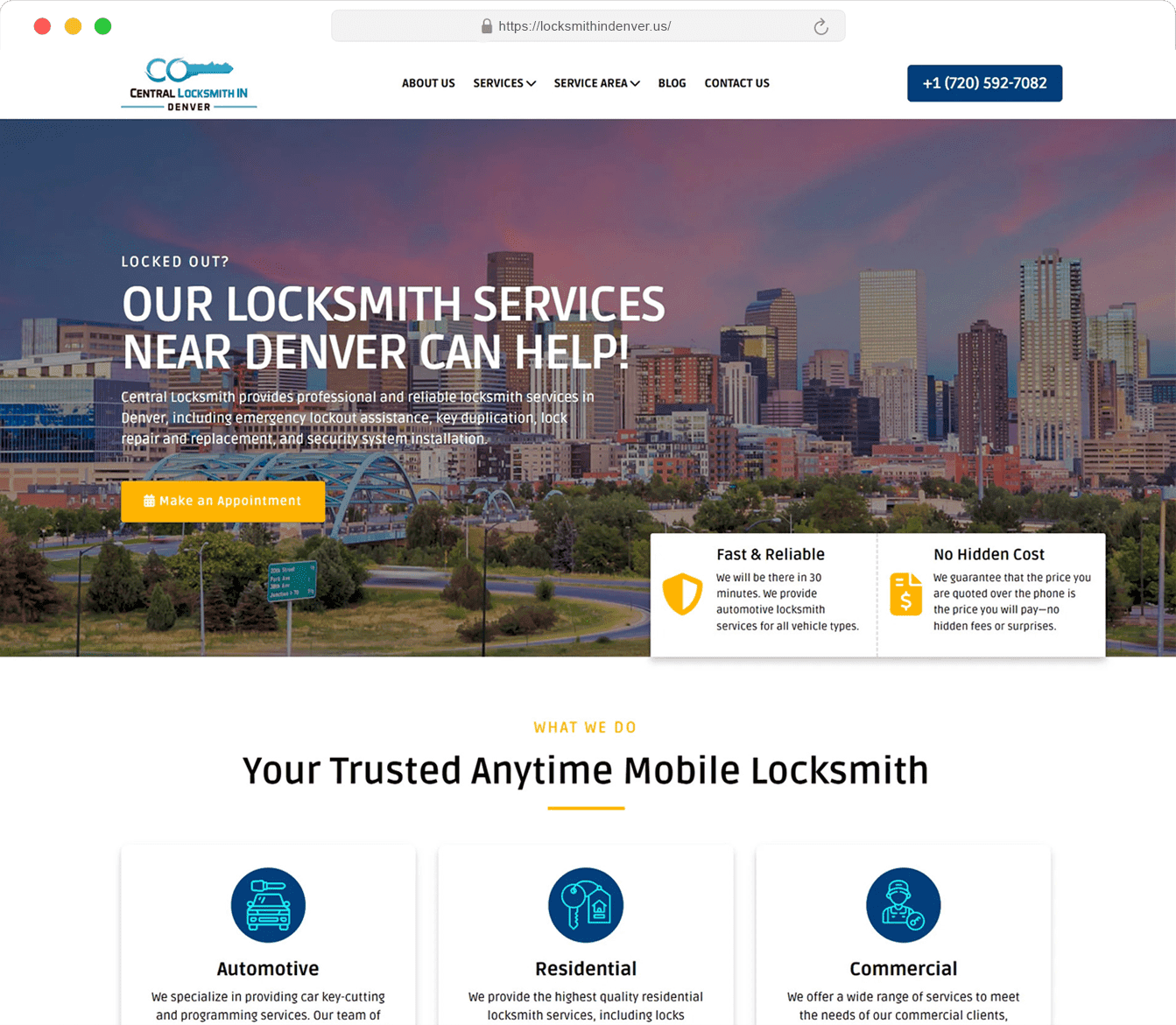
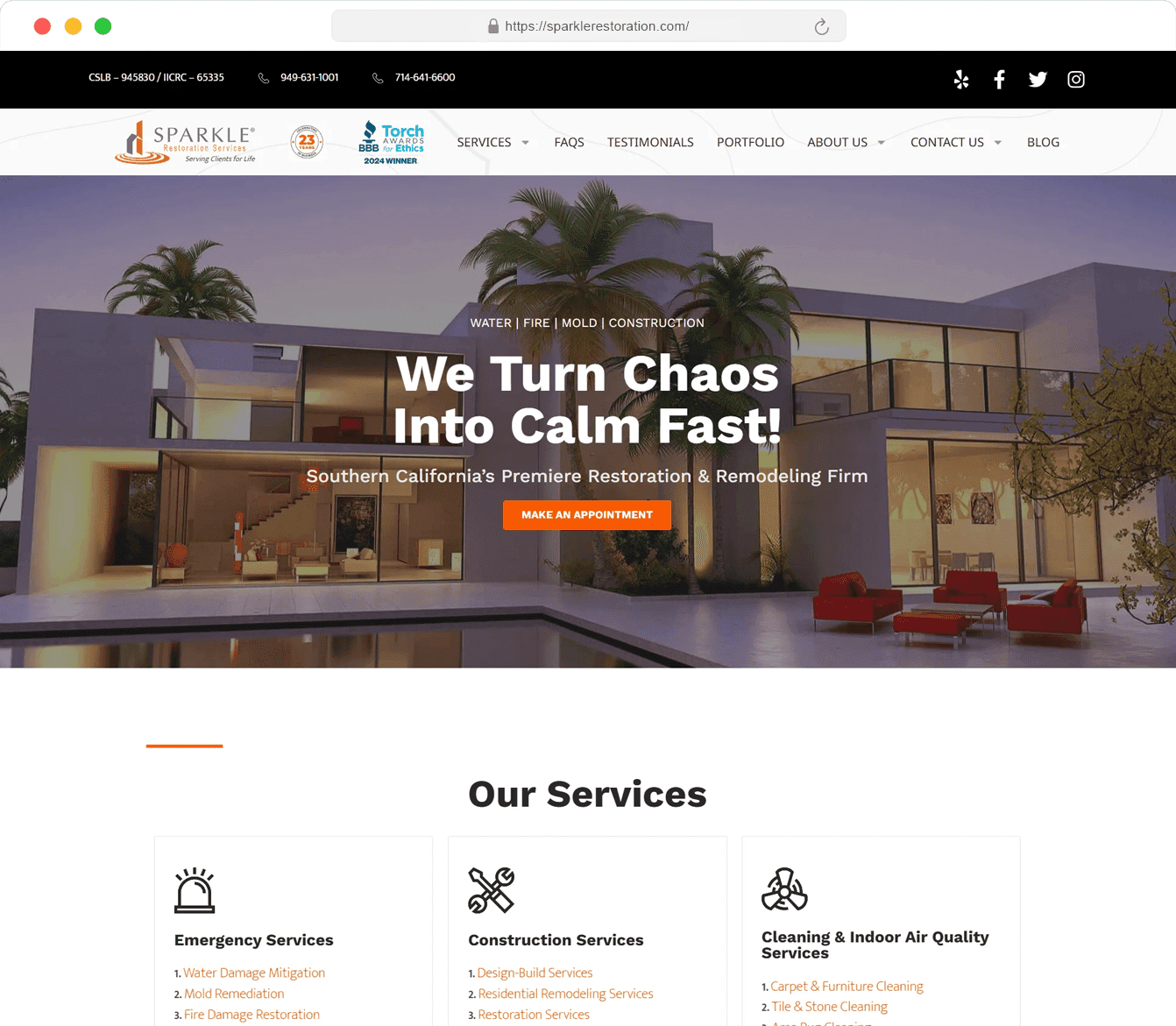
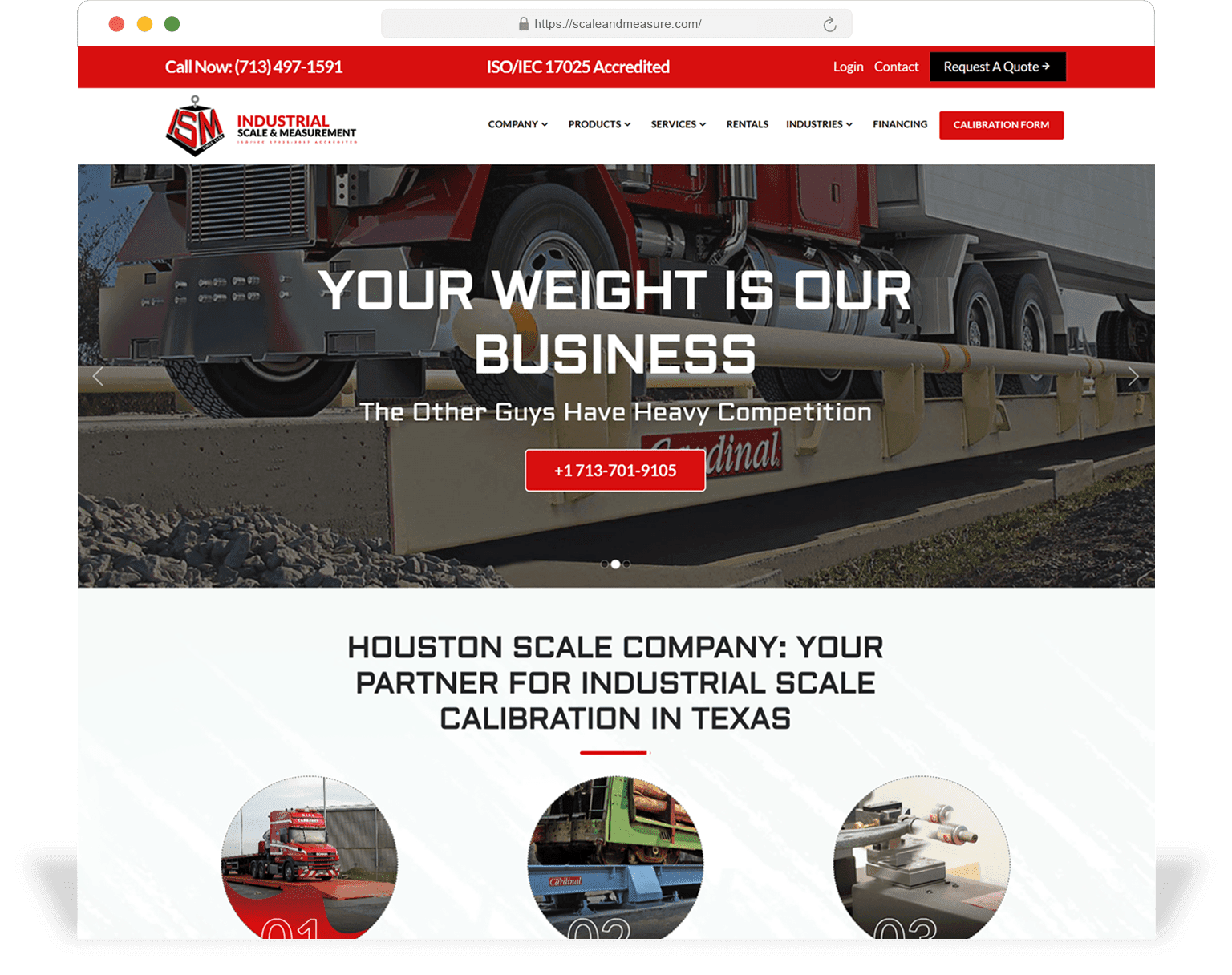
A small slice of recent client builds — across local service, ecommerce and B2B. Click any tile to open the case study with before/after, scope and live link.
Investment
A marketing-site rebuild for a single-location service business usually lands between USD 12,000 and USD 28,000 of one-time work, depending on page count, content production scope and integrations. Multi-location and multi-service businesses with 40+ pages, gated content or member areas typically run USD 35,000–80,000.
Ecommerce and custom web-application work is scoped per project. The three variables that move the number the most are: how many editable templates you need, how much content we are producing for you, and how custom the integrations are (CRM, booking, payment, ERP).
For ongoing work, design + dev retainers start at USD 2,500/month for sites under 50 pages and grow with the program. Most clients combine the retainer with an SEO retainer so there is a single team running the rebuild and the post-launch growth program.
Usually yes. We have rebuilt sites on WordPress, Shopify, Webflow, Squarespace, HubSpot CMS and custom legacy stacks. We will only recommend a platform change if the current platform is the actual blocker to your goals — not because we prefer something else.
We preserve and migrate it. That means a full URL inventory, 301 redirect map, metadata migration, internal-link rebuild and a launch-week indexing check. Most of our redesigns hold or grow organic traffic through the cutover.
Yes — strategy, page copy, on-page SEO content and the imagery direction are all part of the standard scope. You stay in the loop with a per-page review pass; nothing ships without your sign-off.
WCAG 2.1 AA is the baseline. We run axe-core in CI, do a manual keyboard + screen-reader pass before launch and ship a written content guide so the editor team can keep new pages compliant.
Most clients do. The standard handoff is a 30-day stabilisation window included in scope; from there you can either move to a maintenance retainer, a full growth retainer that includes SEO, or take the site in-house with our written runbook.
Yes. Roughly a third of our engagements are co-builds where SeoMata owns IA, design system, SEO scaffolding and a couple of templates, and your in-house team owns the rest. We document hand-off boundaries up front so there is no ambiguity.
Stage recommendations
The table below maps the most common business stages to the design + dev services we typically recommend, with starting investment range. Use it as a starting point — the free audit will tailor the exact mix.
| Business Stage | Recommended Service Mix | Starting Investment | Why This Mix |
|---|---|---|---|
| New launch / first website | Website Design + Web Development (Starter tier) | $1,499–$2,500 setup | Get a real conversion-first site live in 4–6 weeks. SEO + maintenance follows once the site is collecting baseline data. |
| Outdated site, ranking drift | Website Redesign + SEO Website Design + Maintenance | $2,499–$4,999 setup + $149–$299/mo | Rebuild around current SEO structure + conversion patterns; carry redirect / metadata migration so SEO equity transfers cleanly. |
| Local service growing past 1 location | Web Development + Booking System + CRM Automation | $3,499 setup + $1,500–$3,000/mo | Multi-location adds operational complexity — booking + CRM automation handle the lead flow scale without proportional hiring. |
| Ecommerce DTC scaling | Shopify Development + Performance Optimization + Maintenance | $2,999–$5,999 setup + $299/mo | Shopify with strict performance budget + ongoing maintenance keeps Core Web Vitals green as catalog + app stack grows. |
| Enterprise / multi-region / B2B | Custom Web App + Magento or Headless + Maintenance | $25k–$80k setup + $2,500–$6,500/mo | Compliance, multi-region, integration depth, and operational tooling demand custom builds + dedicated maintenance team. |
| Need mobile app on top of web | Mobile App Development + Existing site Maintenance | $14,999 MVP + $449/mo | React Native MVP shares ~80% code with the web app — proves use-case before scaling to v1; web stays maintained in parallel. |
Bundle 2+ design + dev services for 10–15% discount automatically. Add /packages/web-design-development-packages for a single recurring retainer covering build + maintenance.
The fastest way to start is the free SEO + design audit. We will look at the current site, the top organic competitors, your conversion funnel and your offer, and write back with a prioritised opportunity list and a rough budget range — usually within 3 business days.
Related services
Next step
Tell us about your website, market, and business model. We will show you where visibility and lead growth are being held back.